
Common Mistakes in Cheer Photography (and How We Avoid Them
Cheerleading is one of the most challenging sports to photograph well.
Fast movement, precise timing, and complex routines leave very little room for error.
Unfortunately, many cheer photos miss the moments that matter most — not because the athletes aren’t performing, but because cheer photography requires a very specific approach.
Here are some of the most common mistakes in cheer photography, and how we intentionally work to avoid them.
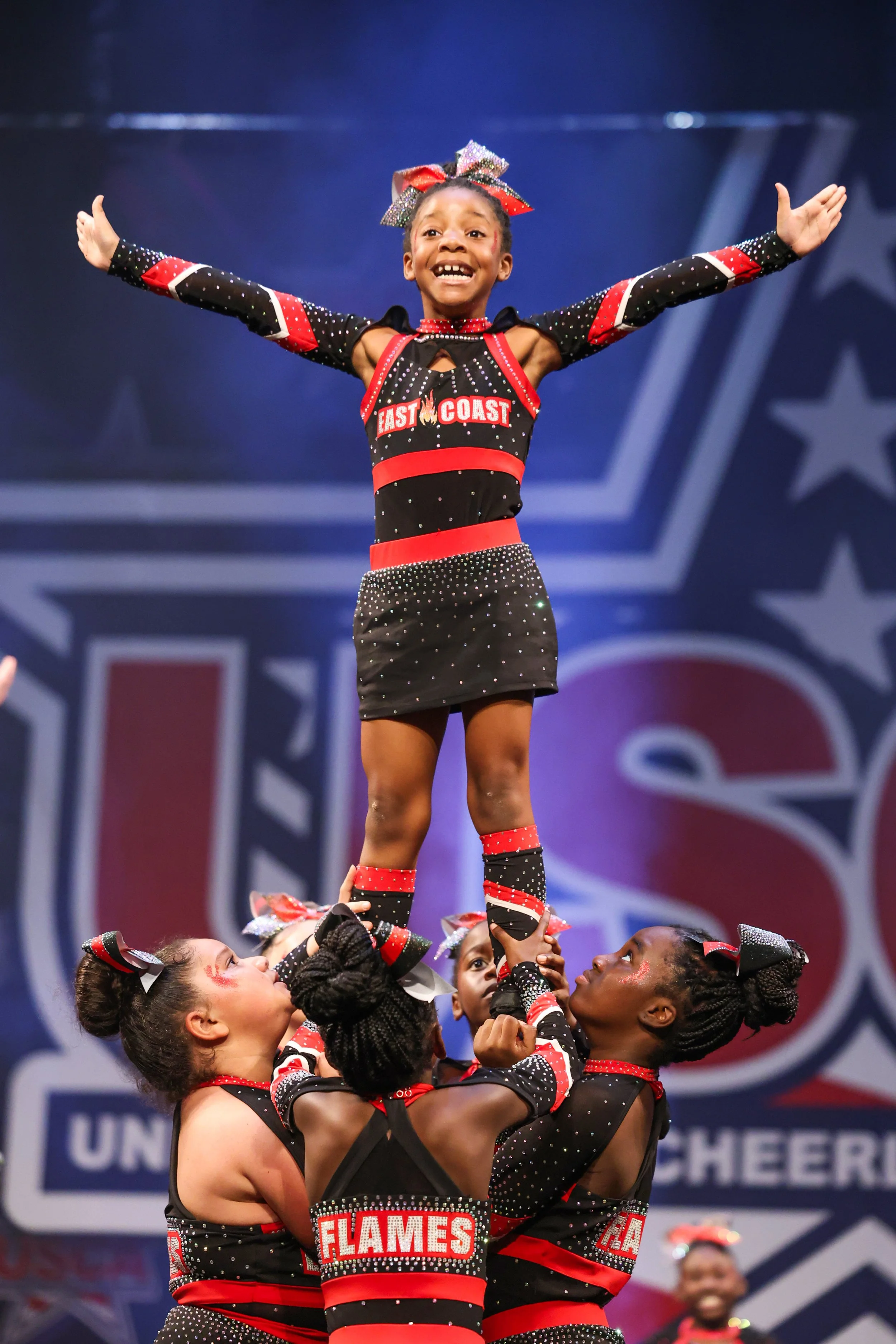
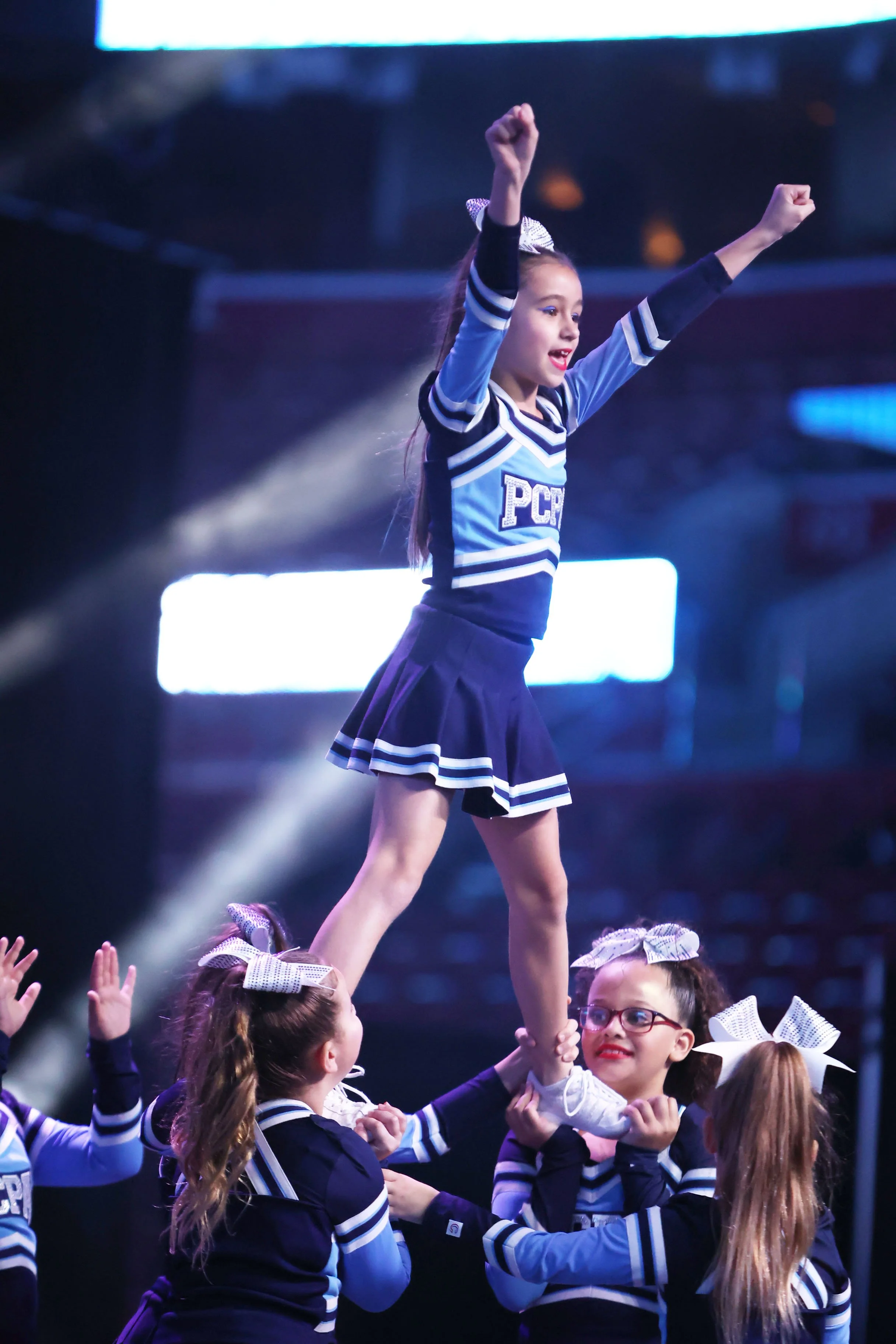
1. Missing the Peak of the Skill
One of the most common issues in cheer photos is poor timing.
Images are often captured too early or too late, resulting in bent legs, unfinished jumps, or awkward landings.
How we avoid it:
Cheer photography is about anticipation, not reaction.
We study routines, watch counts, and shoot with timing that prioritizes:
Full extension
Clean lines
Controlled landings
The goal is to capture athletes at their strongest and most confident moment
2. Blurry or Soft Images
Cheer routines move fast — baskets, tumbling, and jumps all happen in fractions of a second.
If a photographer isn’t using the right settings or equipment, images can easily come out soft or blurred.
How we avoid it:
We shoot with:
Fast shutter speeds
Professional-grade lenses designed for action
Continuous autofocus tuned for movement
Clarity matters. Athletes work too hard for images that don’t reflect their precision.
3. Poor Lighting and Harsh Shadows
Gym lighting, competition venues, and indoor arenas are notoriously difficult environments.
Improper lighting can lead to:
Harsh shadows on faces
Inconsistent skin tones
Flat, lifeless images
How we avoid it:
We adjust for each venue individually, balancing:
Available light
Color consistency
Contrast that preserves detail without over-processing
The result is clean, natural images that still feel dynamic.
4. Awkward Angles That Distract From the Performance
Low-quality cheer photos often suffer from poor angles:
Cropped limbs
Cut-off flyers
Distracting backgrounds
Unbalanced compositions
How we avoid it:
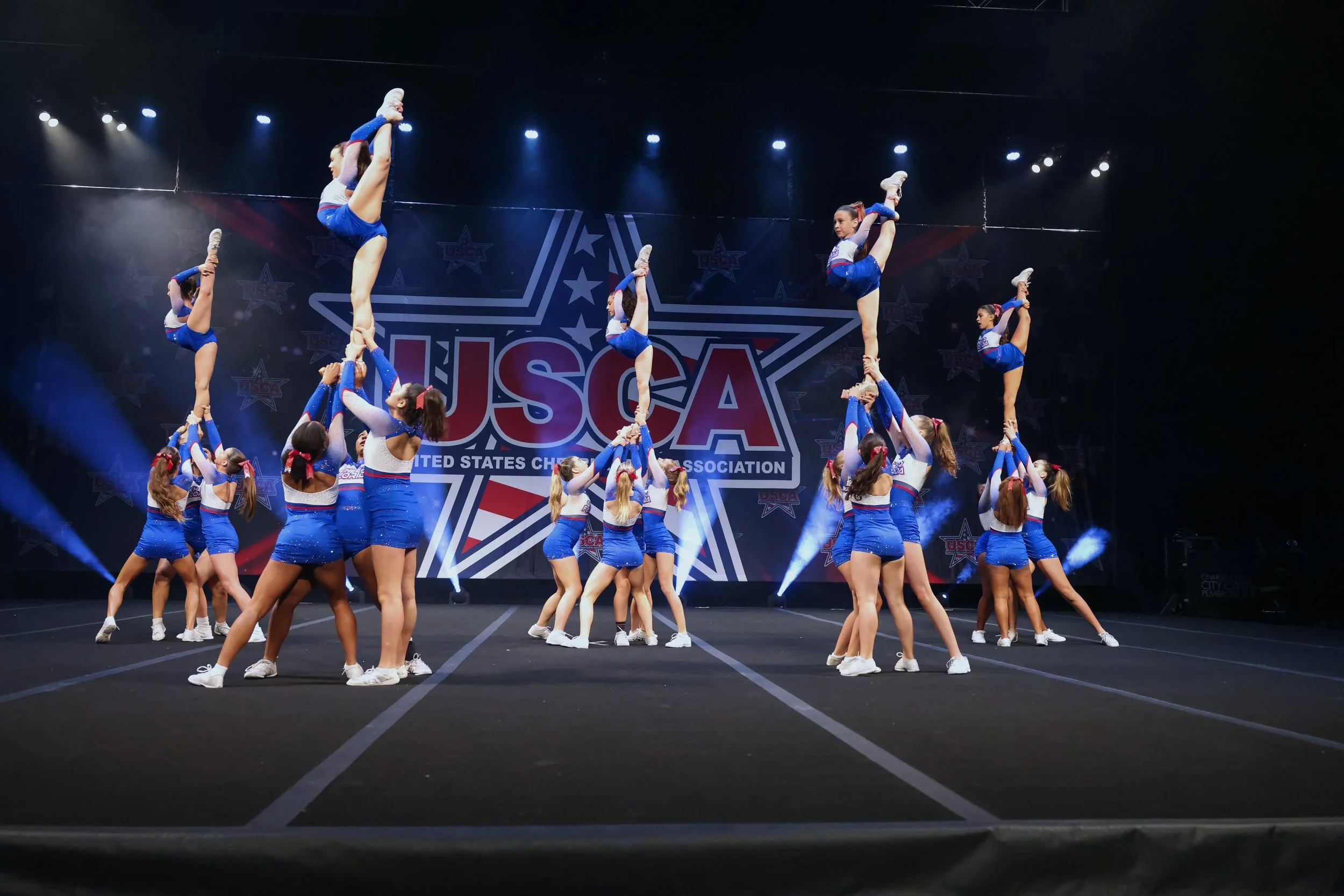
We position ourselves intentionally to:
Keep full bodies in frame
Maintain clean sightlines
Highlight teamwork, not clutter
Every frame is composed to support the story of the routine, not distract from it.
5. Over-Editing or Heavy Filters
Over-saturated colors, extreme contrast, and heavy filters can make images look dramatic — but not accurate.
This often takes away from uniforms, skin tones, and overall professionalism.
How we avoid it:
Our editing style focuses on:
True-to-life color
Balanced contrast
Consistency across galleries
Athletes should recognize themselves — and be proud of what they see.
6. Treating Cheer Like Any Other Sport
Cheer is not football.
It’s not basketball.
And it shouldn’t be photographed like either.
Cheer combines athleticism, performance, synchronization, and expression — all at once.
How we approach it differently:
We look for connection and teamwork, not just action
We capture expressions, not just motion
We respect the structure of routines and formations
This approach ensures galleries feel complete, intentional, and representative of the program.
Why This Matters
Cheer photos aren’t just images — they’re:
Records of an athlete’s season
Memories for families
Marketing tools for programs
Milestones for teams
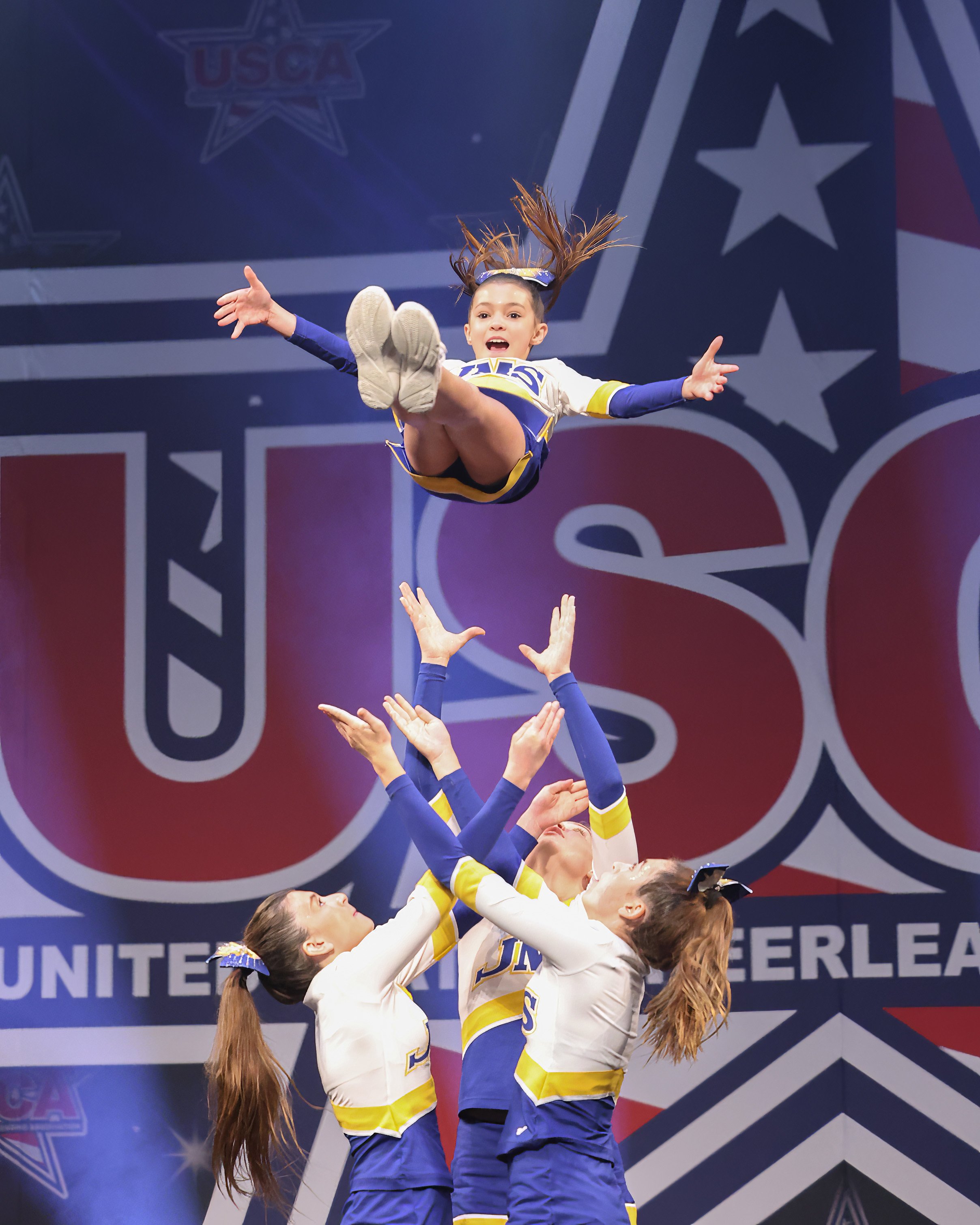
Avoiding these common mistakes means delivering images that athletes and families are proud to share and keep.
Interested in Cheer Photography for Your Program?
If you’re looking for cheer photography that prioritizes timing, clarity, and respect for the sport, we’d love to connect.
Want more information, email us at Kevin@taylorartphotos.com